Orlando, Fla. (Ivanhoe Newswire) — More than seven million Americans age 65 and older are living with Alzheimer’s disease and that number is expected to nearly double by 2050. It’s also one of the leading causes of death in the United States. But researchers say some of the most powerful tools for protecting the brain may not come in a pill or a shot, it may be the things you do every day that could protect your brain and your memories.
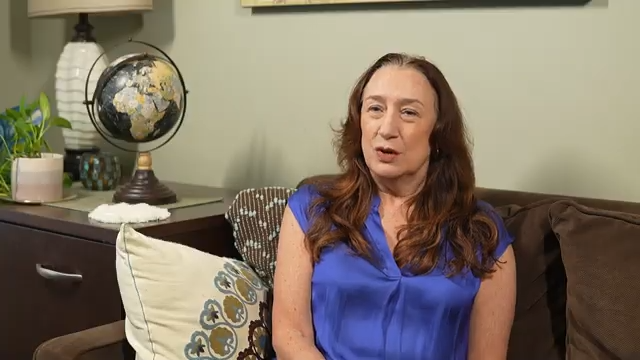
At 66, Nanette Price is learning to play the piano, draw and beat brain games online. Pushing her brain to keep learning.
“I watched my father be consumed by Alzheimer’s as well as my grandmother and my great-uncle,” said Price.
Experts say brain health isn’t about one magic fix. It’s about small daily habits.
“So, we’ve learned that lifestyle behavior impacts virtually every chronic disease,” said Jeffrey Katula, PhD, Health Psychologist, Wake Forest University.
Wake Forest University School of Medicine is testing that idea in a major national study called U.S. POINTER. They looked at whether exercise, healthy eating, social connection and mental challenge could help protect the brain.
“Participation in this trial was transformative in their lives. They are different,” explained Laura Baker, PhD, Wake Forest University School of Medicine.
You don’t have to change everything overnight. If you want to jump-start your brain health, try a five-day reset. Day one, move more. Day two, eat the rainbow, that means colorful fruits and veggies. Day three, learn something new. Day four know your numbers. Blood pressure, cholesterol and blood sugar because what’s good for your heart is good for your brain. And day five, connect with people.
“The social forces are much, much more powerful than anything else that we do,” said Katula.
And once you start, keep going. It’s a lifestyle change.
“Make a commitment. ‘I’m worth it. I’m worth it, my brain is worth it,’” said Baker.
“Little changes in each of these different domains add up to big change,” explained Katula.
For Nanette, it’s about doing everything she can now to protect her brain later.
“It gives me hope. I mean, hope’s huge,” said Price.
There is also some encouraging news on treatment. The FDA has approved Leqembi and Kisunla for people with early Alzheimer’s, specifically those with mild cognitive impairment or mild dementia. These drugs are not cures, but they can help slow disease progression.
Contributors to this news report include: Marsha Lewis, Producer; Bob Walko, Editor.
To receive a free weekly email on Smart Living from Ivanhoe, sign up at: http://www.ivanhoe.com/ftk
Sources:
https://www.alz.org/alzheimers-dementia/facts-figures
https://www.fda.gov/drugs/news-events-human-drugs/fda-approves-treatment-adults-alzheimers-disease