RALEIGH, NC. (Ivanhoe Newswire) — More than seven million Americans 65 and older are living with Alzheimer’s and that number is expected to nearly double by 2050. But there’s a shift happening right now. Researchers are no longer just trying to treat decline. They’re trying to slow it — or stop it — before it starts. The latest Lancet Commission estimates that up to 45 percent of dementia cases could be prevented or delayed. In 2025, the FDA cleared the first blood test to help detect Alzheimer’s earlier. And new drugs like leqembi and kisunla are now available for early-stage patients. Ivanhoe looks at what the science says and what you can do at any age to protect your brain.
Researchers around the world are in a race against time … working to save memories before they’re lost for good.
Patricia Andrews, MD, Geriatric Psychiatrist at Vanderbilt University Medical Center says, “We wanna stop the disease from ever happening.”
Brain changes linked to Alzheimer’s can start 20 years or more before symptoms – and your brain health may be shaped decades earlier by how you move, eat, sleep, and how we manage conditions like blood pressure, diabetes, and even hearing loss.
Jeffrey Katula, PhD, MA, Health Psychologist at Wake Forest University says, “It’s the combined impact of all these factors.”
So, what does that look like in real life?
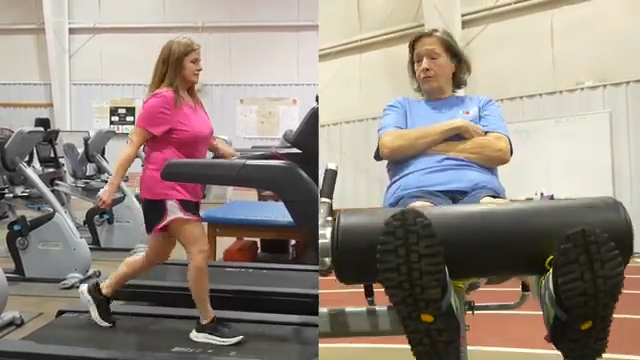
For people in their 40s and 50s, watch your blood pressure. The National Institute on Aging says high blood pressure from the 40s to early 60s is linked to greater risk of cognitive decline later. In your 50s and 60s, don’t ignore hearing loss, diabetes, sleep, smoking, or too much alcohol. And for people 70 plus, it’s more about protecting what you have. That means staying physically active, keeping the brain engaged, and staying socially connected.
And while you do your part, scientists are pushing forward too. More than 180 clinical trials are now underway testing everything from the gut-brain connection … studying how the microbiome may influence dementia risk … to looking at anti-inflammatory therapies and vaccines.
Doctor Andrews says, “It can be a pill that people could take with their morning coffee and then not be worried that they’re gonna develop the disease in 10 years.”
So, the message isn’t panic. It’s not a total life overhaul.
But starting small, starting early and sticking with it.
Researchers say the next frontier may be personalized brain health, using blood tests, genetics, and even wearable data to create individual plans to lower your risk. Some studies are now tracking sleep, heart rate, and activity levels to see how daily habits may predict, or even change, cognitive decline.
Contributors to this news report include: Marsha Lewis, Producer; Matt Goldschmidt, Videographer; & Bob Walko, Editor.
Source:
https://www.alz.org/alzheimers-dementia/facts-figures?
https://www.thelancet.com/commissions-do/dementia-prevention-intervention-and-care
https://www.nia.nih.gov/health/brain-health/cognitive-health-and-older-adults
https://www.washingtonpost.com/wellness/2026/01/07/dementia-risk-cognitive-health-advice/
* For More Information, Visit: Alzheimer’s Association