A surprising triple treatment completely clears HIV in newborn primates-Click HereA surprising brain discovery could help explain why we overeat fatty foods-Click HereMIT neuroscientists discover the brain can reason without words-Click HereScientists turn sheep’s wool into a material that helps regrow bone-Click HereExercise may help the aging brain “take out the trash”-Click HereA simple blood test could detect multiple cancers and reveal where they started-Click HereFor 15,000 years, humans and dogs have been changing each other-Click HerePotatoes may have given Indigenous Andeans a digestive superpower-Click HereScientists discover a hidden brain shift that begins around age 50-Click HereWearable ultrasound patch boosts REM sleep without drugs or surgery-Click HereSports concussions increase injury risk-Click HereUncovering a cellular process that leads to inflammation-Click HereNew study links contraceptive pills and depression-Click HereA short snout predisposes dogs to sleep apnea-Click HereBuilding a new vaccine arsenal to eradicate polio-Click HereThe Viking disease can be due to gene variants inherited from Neanderthals-Click HereQatar Omicron-wave study shows slow decline of natural immunity, rapid decline of vaccine immunity-Click HereMore than a quarter of people with asthma still over-using rescue inhalers, putting them at increased risk of severe attacks-Click hereProgress on early detection of Alzheimer’s disease-Click HereDried samples of saliva and fingertip blood are useful in monitoring responses to coronavirus vaccines-Click HereDietary fiber in the gut may help with skin allergies-Click HereResearchers discover mechanism linking mutations in the ‘dark matter’ of the genome to cancer-Click HereDespite dire warnings, monarch butterfly numbers are solid-Click HereImmunotherapy may get a boost-Click HereArtificial intelligence reveals a never-before described 3D structure in rotavirus spike protein-Click HereRecurring brain tumors shaped by genetic evolution and microenvironment-Click HereCompound shows promise for minimizing erratic movements in Parkinson’s patients-Click HereConsuming fruit and vegetables and exercising can make you happier-Click HereCOVID-19 slows birth rate in US, Europe-Click HereLink between ADHD and dementia across generations-Click HerePreventing the long-term effects of traumatic brain injury-Click HereStudy details robust T-cell response to mRNA COVID-19 vaccines — a more durable source of protection-Click HereArtificial color-changing material that mimics chameleon skin can detect seafood freshness-Click HereNeural implant monitors multiple brain areas at once, provides new neuroscience insights-Click HereB cell activating factor possible key to hemophilia immune tolerance-Click HereMasks not enough to stop COVID-19’s spread without distancing, study finds-Click HereAI can detect COVID-19 in the lungs like a virtual physician, new study shows-Click HerePhase 1 human trials suggest breast cancer drug is safe, effective-Click HereRe-engineered enzyme could help reverse damage from spinal cord injury and stroke-Click HereWeight between young adulthood and midlife linked to early mortality-Click HereIncreased fertility for women with Neanderthal gene, study suggests-Click HereCoronavirus testing kits to be developed using RNA imaging technology-Click HereFacial expressions don’t tell the whole story of emotion-Click HereAcid reflux drug is a surprising candidate to curb preterm birth-Click HereTreating Gulf War Illness With FDA-Approved Antiviral Drugs-Click HereHeart patch could limit muscle damage in heart attack aftermath-Click HereA nap a day keeps high blood pressure at bay-Click HereIn small groups, people follow high-performing leaders-Click HereTick tock: Commitment readiness predicts relationship success-Click HereA comprehensive ‘parts list’ of the brain built from its components, the cells-Click HereResearchers confine mature cells to turn them into stem cells-Click HereNew tissue-imaging technology could enable real-time diagnostics, map cancer progression-Click HereEverything big data claims to know about you could be wrong-Click HerePsychedelic drugs promote neural plasticity in rats and flies-Click HereEducation linked to higher risk of short-sightedness-Click HereNew 3D printer can create complex biological tissues-Click HereThe creative brain is wired differently-Click HereWomen survive crises better than men-Click HerePrecise DNA editing made easy: New enzyme to rewrite the genome-Click HereFirst Time-Lapse Footage of Cell Activity During Limb RegenerationStudy Suggests Approach to Waking Patients After Surgery

Back To School: The AI Homework Dilemma

0

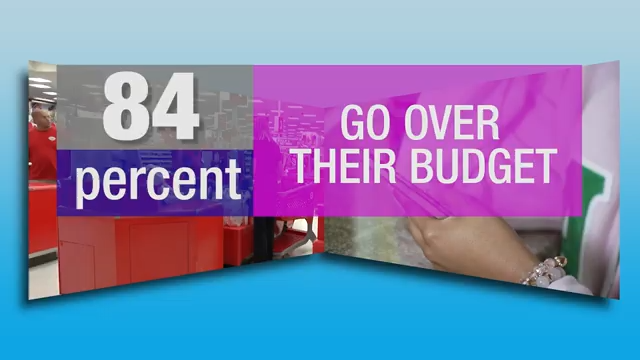
Orlando, Fla. (Ivanhoe Newswire) — AI is quickly becoming part of the school routine. One recent report found 86 percent of students and 85 percent of teachers used AI during the 2024–2025 school year. It can help with brainstorming, studying, and feedback but some researchers worry it may also make students less likely to do the thinking for themselves. A study in the British Journal of Educational Technology found tools like Chat GPT may promote what researchers call “metacognitive laziness,” or a dependence on the technology that can get in the way of deeper learning.

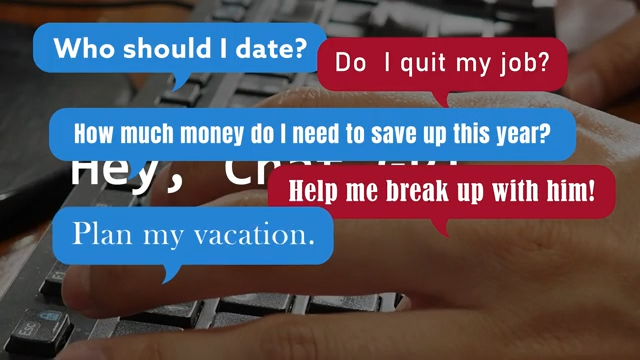
Ask AI to explain a math problem, summarize a chapter, or brainstorm an essay. While AI can help students study or check their work, it can also make it easy to skip the thinking part.

“I’m sure a lot of kids would be honest, but others won’t be,” said John Burford IV, Founder and President of Magnolia Prep.

Some of the easiest ways to cheat: tell AI to write your essay for you. Some college admissions departments are even scratching their essay requirements due to concerns that students are using AI. It’s also common to use AI for online tests or to answer homework questions.

“Like okay, I’m just going to upload this worksheet, and they’ll just do everything for me,” said Burford.

So how can you help your child navigate AI? Start with a simple rule: AI can help you learn, but it can’t do the learning for you.

“Just kind of laying out like, ‘Hey listen, I know that yes, you’re technically able to do so and so, but it’s wrong and you shouldn’t,’” explained Burford.

Be specific about what’s off-limits and if your child uses AI, make sure they can still explain the answer in their own words.

Next, teach them to use AI as a coach, not a ghostwriter.

That means using it to brainstorm, build a study guide, or get feedback on a draft they wrote themselves. And make “verify it” part of the routine. AI can be wrong, so if it gives an answer, have your child check it against class notes, the textbook, or a trusted source from the teacher.

And one more thing to watch for this school year: if your child’s writing suddenly sounds nothing like them, overly formal, vague, or filled with words they’d never use, that may be a clue AI did more of the work than it should have.

Contributors to this news report include: Julie Marks, Producer; Bob Walko, Editor.

Sources:

https://www.engageli.com/blog/ai-in-education-statistics

https://bera-journals.onlinelibrary.wiley.com/doi/epdf/10.1111/bjet.13544

https://www.cnn.com/2025/08/20/health/using-ai-for-homework-wellness