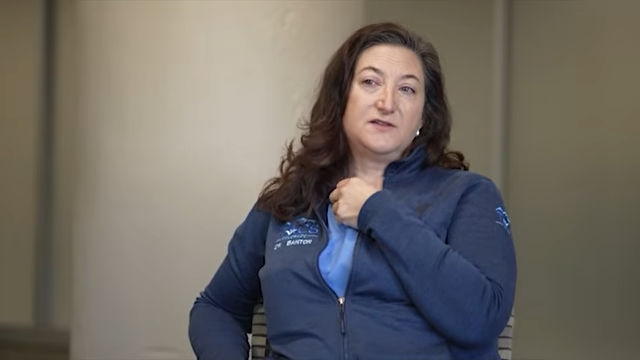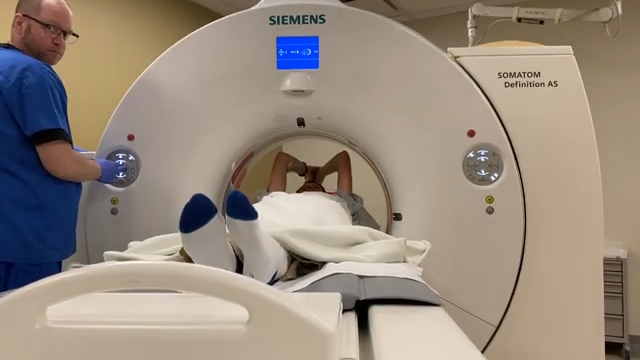
RALEIGH, NC. (Ivanhoe Newswire) — As we head into fall, we also head into cold and respiratory virus season. While most people recover without serious problems, some viral infections can lead to life-threatening pneumonia that requires the most advanced life support available. That’s what happened to a 41-year-old mom who thought she was just fighting a stubborn cold.
Like so many moms, 41-year-old Megan Chandler put everyone else first. Her job. Her two kids. Game days. So, when a cough wouldn’t go away, she kept going.
Megan says, “I was just always continuing to go, go, go. Even if I didn’t feel well.”
Until one day when her son found her collapsed on the floor.
“I can’t get up. Like my legs, like wouldn’t allow me to, like stand,” recalls Megan.
Doctors discovered pneumonia. Her lungs were failing.
Chakradhar Kotaru, MD, Pulmonary and Critical Care Specialist at HCA HealthONE Aurora explains, “Even with the maximal support, we had to put her on ECMO.”
ECMO, a machine that can temporarily do the work of failing lungs.
“ECMO is able to take the blood out of somebody’s body, put oxygen into the blood, and put it back into the body.”
For her family, the news was devastating.
Megan’s Brother, Tommy Pasque told Ivanhoe, “They told us, you know, this is it, you know, she’s going to die today.”
But ECMO gave her lungs time to heal and her family something they thought they were losing – hope. Because without ECMO … Doctor Kotaru says, “I think there’s a high chance that she would not have survived this.”
When Megan finally woke up … She says, “I woke up with a trach in my mouth and IVs everywhere, and I was restrained, and I couldn’t speak.”
Megan had to learn how to breathe, to eat, to walk. After nearly two months, she finally went home. Today, she has one message for anyone who thinks they don’t have time to see a doctor.
“No matter how young you are, you can get very sick very fast,” states Megan.
ECMO is reserved for some of the sickest patients when the heart or lungs can no longer provide enough oxygen or blood flow to keep the body alive. It’s used for severe lung failure, cardiogenic shock after some heart attacks, and complex heart surgeries. ECMO gained national attention during the COVID-19 pandemic when it helped keep some critically ill patients alive long enough for their lungs to recover.
Contributors to this news report include: Marsha Lewis, Producer; Matt Goldschmidt, Videographer; & Roque Correa, Editor.
* For More Information, Contact:
Cassie Shetler, ECMO Coordinator
cassandra.shetler@hcahealthone.com
720-244-9610