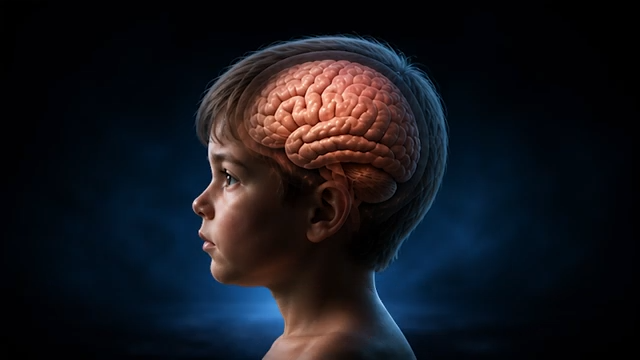
RALEIGH, NC. (Ivanhoe Newswire) — Teen mental health in the US is reaching a critical point. According to the CDC, more than 40 percent of high school students reported feeling persistently sad or hopeless, and nearly one in five seriously considered suicide. At the same time, experts say many young people struggle for years before they ever see a mental health professional. Now researchers are using AI to help doctors identify which teens are at risk before a crisis begins.
For a lot of teens, mental health struggles don’t begin with one dramatic moment.
They build slowly through pressure and the intense emotional ups and downs.
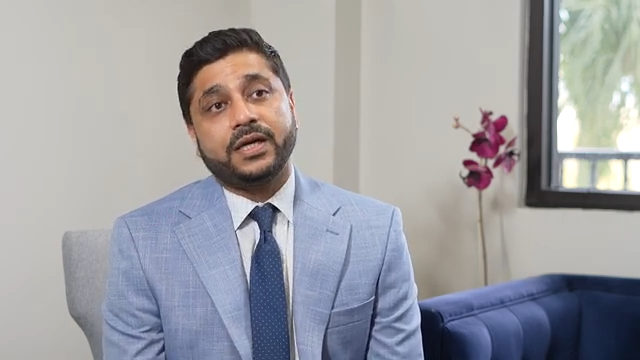
Jonathan Posner, MD, Child Psychiatrist at Duke University School of Medicine says, “It’s a biologically more vulnerable period of time.”
Doctors say early warning signs can be subtle and there aren’t enough child mental health specialists to screen every child.
“We need to do better at identifying these kids, identifying them early, and getting them in treatment before there’s actually a crisis,” Doctor Posner told Ivanhoe.
That’s why researchers at Duke are testing an artificial intelligence model designed to spot early warning signs by analyzing a much broader picture of a teen’s life.
Matthew Engelhard, MD, PhD, AI Researcher at Duke University says, “I think we’re missing the whole picture.”
The model looks at data from more than 11 thousand children across the US – including family conflict, social factors and health data. The goal isn’t to replace doctors but to help them see risk sooner.
“With a relatively brief set of questionnaires, the AI tool can actually identify who’s at risk,” explained Doctor Posner.
One discovery that surprised even the researchers?
Doctor Engelhard says, “We expected sleep to emerge as important, but I don’t think we anticipated the degree to which it was important.”
The system can even estimate whether a teen may develop a mental health condition up to a year before symptoms appear with 75 percent accuracy – which means spotting trouble early could change, or even save, a life.
The Duke research team is now testing the AI tool in clinics to see how well it works outside the lab. Doctors say primary care physicians often don’t have time to conduct detailed psychiatric assessments — but this tool could automate the process and analyze data in real-time, flagging which teens may be at risk during a routine checkup long before a crisis point.
Contributors to this news report include: Marsha Lewis, Producer; Matt Goldschmidt, Videographer; & Bob Walko, Editor.
Source:
https://www.cdc.gov/healthy-youth/mental-health/index.html
* For More Information, Contact: Jonathan Posner, MD
Duke University School of Medicine