This vegan diet cut insulin use by nearly 30% in type 1 diabetes-Click HereScientists make microplastics glow to see what they do inside your body-Click HereOne simple daily change that could slash depression risk-Click HereScientists discover protein that rejuvenates aging brain cells-Click HereLife may have started as sticky goo clinging to rocks-Click HereBlockbuster weight loss drugs like Ozempic deliver big results but face big questions-Click HereScientists find a clue to human brain evolution in finger length-Click HereWhen immune cells stop fighting cancer and start helping it-Click HereThis popular diet was linked to a much lower stroke risk-Click HereScientists were wrong for decades about DNA knots-Click HereSports concussions increase injury risk-Click HereUncovering a cellular process that leads to inflammation-Click HereNew study links contraceptive pills and depression-Click HereA short snout predisposes dogs to sleep apnea-Click HereBuilding a new vaccine arsenal to eradicate polio-Click HereThe Viking disease can be due to gene variants inherited from Neanderthals-Click HereQatar Omicron-wave study shows slow decline of natural immunity, rapid decline of vaccine immunity-Click HereMore than a quarter of people with asthma still over-using rescue inhalers, putting them at increased risk of severe attacks-Click hereProgress on early detection of Alzheimer’s disease-Click HereDried samples of saliva and fingertip blood are useful in monitoring responses to coronavirus vaccines-Click HereDietary fiber in the gut may help with skin allergies-Click HereResearchers discover mechanism linking mutations in the ‘dark matter’ of the genome to cancer-Click HereDespite dire warnings, monarch butterfly numbers are solid-Click HereImmunotherapy may get a boost-Click HereArtificial intelligence reveals a never-before described 3D structure in rotavirus spike protein-Click HereRecurring brain tumors shaped by genetic evolution and microenvironment-Click HereCompound shows promise for minimizing erratic movements in Parkinson’s patients-Click HereConsuming fruit and vegetables and exercising can make you happier-Click HereCOVID-19 slows birth rate in US, Europe-Click HereLink between ADHD and dementia across generations-Click HerePreventing the long-term effects of traumatic brain injury-Click HereStudy details robust T-cell response to mRNA COVID-19 vaccines — a more durable source of protection-Click HereArtificial color-changing material that mimics chameleon skin can detect seafood freshness-Click HereNeural implant monitors multiple brain areas at once, provides new neuroscience insights-Click HereB cell activating factor possible key to hemophilia immune tolerance-Click HereMasks not enough to stop COVID-19’s spread without distancing, study finds-Click HereAI can detect COVID-19 in the lungs like a virtual physician, new study shows-Click HerePhase 1 human trials suggest breast cancer drug is safe, effective-Click HereRe-engineered enzyme could help reverse damage from spinal cord injury and stroke-Click HereWeight between young adulthood and midlife linked to early mortality-Click HereIncreased fertility for women with Neanderthal gene, study suggests-Click HereCoronavirus testing kits to be developed using RNA imaging technology-Click HereFacial expressions don’t tell the whole story of emotion-Click HereAcid reflux drug is a surprising candidate to curb preterm birth-Click HereTreating Gulf War Illness With FDA-Approved Antiviral Drugs-Click HereHeart patch could limit muscle damage in heart attack aftermath-Click HereA nap a day keeps high blood pressure at bay-Click HereIn small groups, people follow high-performing leaders-Click HereTick tock: Commitment readiness predicts relationship success-Click HereA comprehensive ‘parts list’ of the brain built from its components, the cells-Click HereResearchers confine mature cells to turn them into stem cells-Click HereNew tissue-imaging technology could enable real-time diagnostics, map cancer progression-Click HereEverything big data claims to know about you could be wrong-Click HerePsychedelic drugs promote neural plasticity in rats and flies-Click HereEducation linked to higher risk of short-sightedness-Click HereNew 3D printer can create complex biological tissues-Click HereThe creative brain is wired differently-Click HereWomen survive crises better than men-Click HerePrecise DNA editing made easy: New enzyme to rewrite the genome-Click HereFirst Time-Lapse Footage of Cell Activity During Limb RegenerationStudy Suggests Approach to Waking Patients After Surgery

Fuel Like A Champion

0

Orlando, Fla. (Ivanhoe Newswire) — While the world is watching the Winter Olympics, there’s a lot more going on behind the scenes than gold medals and record-breaking runs. Olympians are training and fueling their bodies for peak performance. But experts say you don’t have to be an elite athlete to apply some of those same principles to your own workouts.

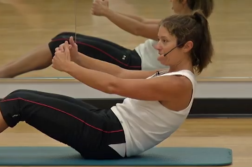
Skiing, skating, boarding, and sledding … these athletes are at the top of their game. But experts say the discipline they use isn’t out of reach for those watching at home.

“The biggest misconception is that they’re perfectionist,” said Jeff Stout, PhD, Director for the School of Kinesiology & Rehabilitation Sciences University of Central Florida.

Instead, Olympic athletes aim for consistency — including when it comes to food. Experts say performance fueling is about what you do most of the time, not all of the time.

“One of the biggest mistakes is people kind of like eat very low-calorie sort of diet and then they exercise for the purpose of losing weight. But for performance it’s a little different,” explained Stout.

When it comes to performance, protein is key.

“Everybody, whether you’re training or not, should get in at least 1.2 grams per kilogram body weight. If you’re training, it should be as high as 1.6 to 2.0,” said Stout.

That means if you’re training regularly, a 200-pound man needs about 160 grams of protein a day, and a 170-pound woman needs around 140 grams. But fueling isn’t just about what you eat. Before and during your workout, you should be drinking electrolytes, like Gatorade or Powerade. After, combining protein and carbohydrates can speed recovery.

“A perfect meal to me, which I actually love if I’m doing a lot of endurance work, is in the evening having a big bowl of spaghetti with meat sauce,” explained Stout.

But the biggest performance mistake has nothing to do with food at all.

“Sleep is probably the most important factor for anyone training for anything,” said Stout.

Not getting enough sleep can disrupt hormones, metabolism, and immunity, making it harder to recover and perform. If you want to train hard, experts say you have to sleep harder, too.

Hydration is also very important for good performance. Professor stout says if you feel thirsty, you are already one percent dehydrated. He recommends to help hydrate faster you can add low-calorie sodium to your drink. He says the best option is Pedialyte electrolyte water, but you can also use sugar-free drip-drop, sugar-free Liquid IV, Nuun Sport, and LMNT.

Contributors to this news report include: Marcy Wilder, Producer; Bob Walko, Editor.

To receive a free weekly email on Smart Living from Ivanhoe, sign up at:  http://www.ivanhoe.com/ftk 

Sources:

https://www.npr.org/2024/07/31/nx-s1-5058807/olympics-chocolate-muffins-henrik-christiansen
https://www.cdc.gov/nchs/fastats/body-measurements.htm