CINCINNATI, Ohio. (Ivanhoe Newswire) — Rectal cancer cases are climbing in the U.S., now striking almost 47,000 people every year. When you add all types of colorectal cancer, that number soars past 150,000. And doctors are now seeing more young adults, under 50, diagnosed than ever before. But now there’s a new treatment that can sometimes eliminate the need for surgery.
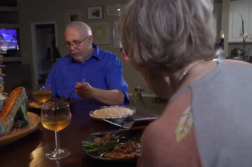
When Patty Goering went in for what she thought was a routine colonoscopy, her world stopped.
“Right after I woke up from the colonoscopy, they said it was cancer,” she recalled.
Doctors confirmed it was Stage 3 colorectal cancer. Her first thoughts were of her husband and two sons, Henry and Matthew.
“The first thing that started going through my mind was like, am I gonna see my grandkids one day or am I gonna see them graduate from high school or college?” Patty told Ivanhoe.
Traditionally, treatment meant surgery, often leaving patients with a colostomy bag for life. But Patty’s doctors at the University of Cincinnati Cancer Center offered a different path.
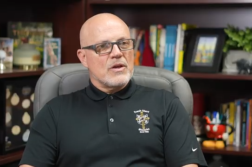
“She was one of our first patients here that we tried this strategy for,” said Ian Paquette, MD, surgeon at University of Cincinnati Cancer Center & professor of surgery at University of Cincinnati College of Medicine.
Instead of surgery, Patty underwent radiation and chemo for six weeks, five days a week, followed by four more long months of chemo.
“When I went into the doctor’s appointment, he said, the cancer’s gone,” she recalled.
Now this “watch and wait” strategy for colorectal cancer is changing care nationwide.
“Maybe even five years ago, all of those patients would’ve gotten a surgery because that’s the location that the tumor started,” explained Dr. Paquette.
Today, Patty remains cancer-free and focused on her family’s future.
“Watching my sons turn into adults and start their lives and just staying around for all the milestones in their lives,” she described.
Dr. Paquette says lifestyle factors such as poor diet, not exercising, smoking, drinking, and being overweight can raise the risk of colorectal cancer. Screenings are recommended for people 45 and older, because catching the disease early can open the door to life-saving, and surgery-saving, options.
Contributors to this news report include: Marsha Lewis, Producer; Matt Goldschmidt, Videographer; Roque Correa, Editor.
Source:
https://www.cancer.org/cancer/types/colon-rectal-cancer/about/key-statistics.html
* For More Information, Contact: (513) 535-UCCC
and
Ian Paquette, MD
Surgeon at University of Cincinnati Cancer Center & Professor of Surgery at University of Cincinnati College of Medicine
and
Heather Chura Smith
Director of Media Relations at UC Health
Heather.Chura-Smith@UCHealth.com
Free weekly e-mail on Prescription: Health from Ivanhoe. To sign up: http://www.ivanhoe.com/ftk