ORLANDO, Fla. (Ivanhoe Newswire) – More than 37.3 million Americans have diabetes. That’s about 11 percent of the US population. Keeping blood sugar under control can improve outcomes in these patients, but it’s not always easy to do. Now, doctors are using artificial intelligence to help!
Artificial intelligence is something you commonly see in movies but researchers are now using the technology to help people with Type 2 diabetes get their disease under control.
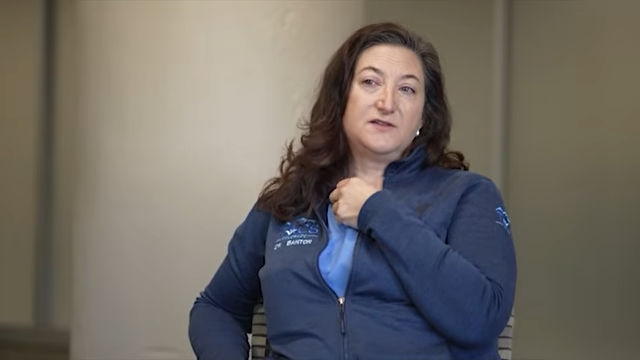
Mary Vouyiouklis Kellis, MD, Endocrinologist, Cleveland Clinic says, “Diabetes is the leading cause of blindness. It can also affect kidney function. It can affect nerves, it can increase the risk for lower limb amputation.”
One of the biggest problems patients face is getting their blood sugar levels under control.
“Over time, when blood sugar rises, it can lead to a lot of different complications.” explains Doctor Kellis.
In a new study, researchers looked at a technology that uses artificial intelligence and the internet to gather data about a patient’s nutrition, physical activity, breathing, and sleep. Thousands of data points are collected via sensors. The info is delivered to doctors and patients to guide treatment decisions. Results showed nearly 84 percent of patients who used the tool achieved remission, which means they had normal blood sugar levels for at least three months without being on meds. The scientists say this is the highest reported rate of remission of Type 2 diabetes to date.
Helping people with diabetes live healthier lives and get off their medicines.
Both Type 1 and Type 2 diabetes are on the rise, especially among young people in the US. From 2001 to 2017, the number of people under age 20 with type one diabetes increased by 45 percent and the number living with Type 2 went up by 95 percent!
Contributors to this news report include: Julie Marks, Producer; Roque Correa, Editor.
Sources:
https://www.cdc.gov/diabetes/data/statistics-report/index.html
https://www.dropbox.com/sh/7uufni45ogikz5f/AADXeMZCGLyXE5s0_wIWk5Ala/Diabetes%20Screening?dl=0&lst=
https://www.ajmc.com/view/artificial-intelligence-twin-technology-improves-remission-rates-for-t2d
https://www.cdc.gov/media/releases/2021/p0824-youth-diabetes.html
AI FOR DIABETES
REPORT #3009
BACKGROUND: Your body turns most the food you eat into sugar and releases it into the bloodstream. When blood sugar goes up, the pancreas releases insulin allowing the blood sugar into your body’s cells for energy. With diabetes, the body can’t make enough insulin leaving too much blood sugar in the bloodstream which can cause serious health problems. Chronic diabetes conditions include: Type 1, when the body is no longer producing insulin and Type 2, when the body doesn’t use insulin properly. While Type 2 can be managed by exercise and a proper diet, Type 1 will require insulin to control it. Symptoms of both can include feeling thirsty more often, urinating more, Ketones in urine, losing weight, tired or weak, blurry vision, slow healing and increased infections. Approximately 5-10% of people with diabetes have Type 1 and 90-95% have Type 2. Long-term complications from Type 1 and Type 2 diabetes can include: heart and blood vessel disease; nerve, kidney, eye or foot damage, skin and mouth conditions, hearing problems, Alzheimer’s and depression. Possible reversible diabetes conditions include: prediabetes, where blood sugar levels are higher than normal but not high enough to be diagnosed as diabetes and gestational diabetes which can happen during pregnancy and may go away after birth.
(Source: https://www.mayoclinic.org/diseases-conditions/diabetes/symptoms-causes/syc-20371444 and https://www.cdc.gov/diabetes/basics/diabetes.html#:~:text=Diabetes%20is%20a%20chronic%20(long,your%20pancreas%20to%20release%20insulin)
MANAGING BLOOD SUGAR: To avoid serious health problems such as heart disease, kidney disease and vision loss, it’s important to keep your blood sugar levels on target around 80 to 130 mg/dL before a meal and less than 180 mg/dL two hours after the start of a meal. These targets could differ depending on your age, health problems or other factors. You should typically check your levels when you first wake, before a meal, two hours after a meal and at bedtime or more often if recommended by your doctor. You may also want to check it before getting behind the wheel. Low blood sugar, 70 mg/dL or below, can be caused by too much exercise, drinking alcohol, skipping a meal, too much insulin or taking other diabetic medications. It can cause shaking, nervousness, irritability, sweating, dizziness and hunger. If you have symptoms check your blood sugar level and if it’s below 70 mg/dL, do one of the following immediately: take four glucose tablets, four ounces of fruit juice or regular soda (not diet) or eat four pieces of candy. High blood sugar can be caused by stress, being sick, overeating or not taking enough insulin and can lead to long-term health problems. Symptoms include: feeling tired, thirsty, having blurry vision or needing to urinate more often. If you’re ill and your blood sugar level is 240 mg/dL or higher, take an over-the-counter ketone test and contact your doctor immediately if it is high. This can be an early sign of diabetic ketoacidosis which is a medical emergency.
(Source: https://www.cdc.gov/diabetes/managing/manage-blood-sugar.html)
NEW RESEARCH FOR TYPE 2 DIABETES: A new study from Twin Health shows remission may be possible for individuals with Type 2 diabetes. This new approach integrates multiple data such as glucose and blood pressure values, food intake, weight and body fat data and heart rate, activity and sleep time from a fitness tracker to provide the patient with individualized nutrition and health guidance. “The four most critical sensors are the continuous glucose monitor, the fitness tracker, the smart scale, and the blood pressure cuff”, Lisa Shah, MD, Chief Medical Officer, Twin Health explained. The program is not a diet and does not restrict calories. Patients eat what they like, and an algorithm makes mini adjustments to improve nutrition. Among the 199 patients with Type 2 diabetes in India who received the app-delivered lifestyle guidance, “An “unprecedented” 84% of patients had remission of diabetes at 6 months, Dr. Paramesh Shamanna, medical director at Twin Health, noted. However, remission is not a cure because it could come back if the patient does not follow the lifestyle guidance. The company has started a clinical trial in the U.S. with 5-year results expected in 2027.
(Source: https://getnom.net/remission-is-possible-for-patients-with-type-2-diabetes.html)
* For More Information, Contact:
Caroline Auger
augerc@ccf.org
Free weekly e-mail on Medical Breakthroughs from Ivanhoe. To sign up: http://www.ivanhoe.com/ftk